
Female Hair Transplant: Reclaim Your Volume, Confidence, and Natural Beauty
Hair is often tied directly to identity, elegance, and confidence. Thinning, a widening part, or a receding hairline due to genetics, stress, or hormonal changes can be deeply distressing.
At Hairluxia, we understand that female hair restoration requires a unique blend of empathy, medical precision, and artistic delicacy. With our advanced No-Shave Hair Transplant techniques, we restore your natural hair volume seamlessly and discreetly.

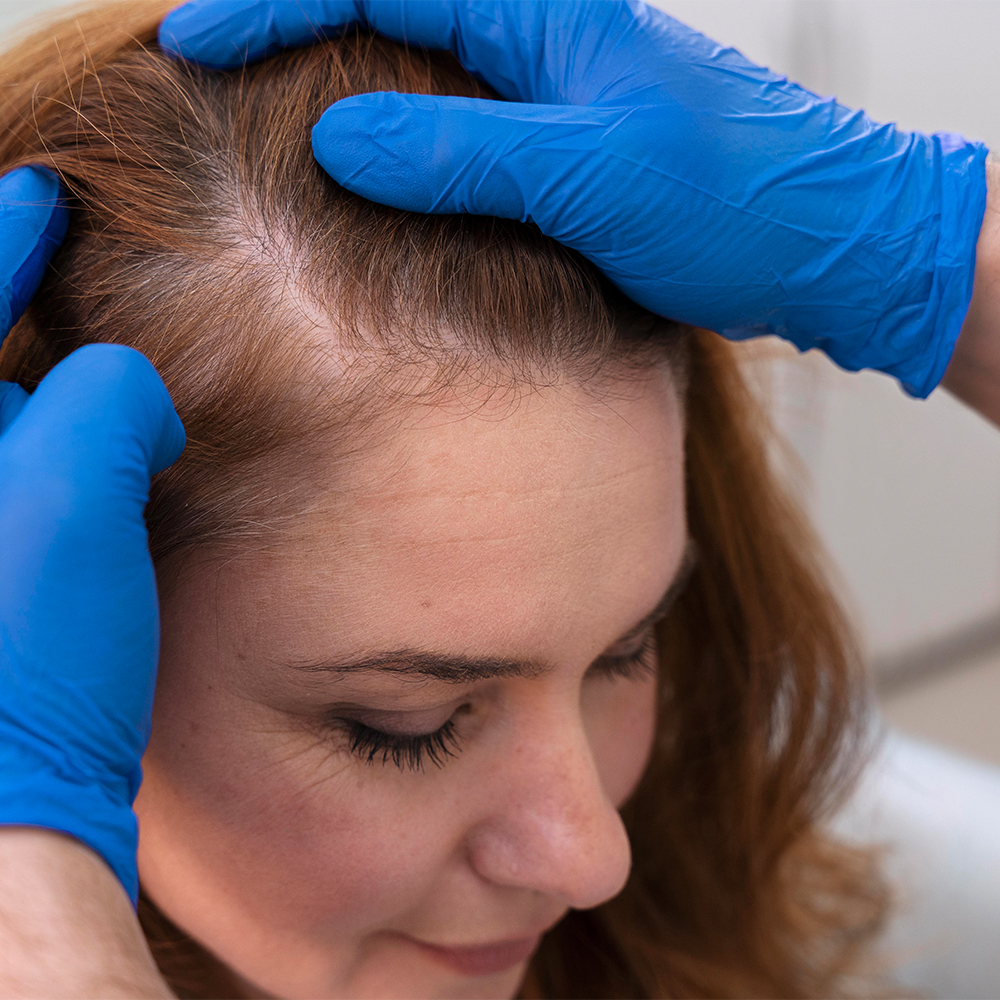
A Specialized Approach to Female Hair Loss
Female hair loss typically presents differently than male pattern baldness, often appearing as diffuse thinning across the crown or a widening part line.
To address this, Hairluxia utilizes advanced DHI (Direct Hair Implantation) and Sapphire FUE technologies. These methods allow us to treat hair loss in women with extreme precision, implanting new grafts between existing hairs to maximize density without altering your overall look.
Why Choose Hairluxia for Female Hair Restoration?
No-Shave Hair Transplant (Discreet Treatment): You do not need to shave your head. We only shave a tiny, hidden window at the back of your head (the donor area), which is completely covered by your remaining long hair. Your procedure remains your secret.
High-Density Crown & Part-Line Filling: Using specialized micro-tools, we can safely navigate between your existing strands to pack maximum density into thinning parts, creating a full, voluminous look.
Natural Hairline Refinement: If you are looking to lower a high forehead or soften a receding hairline, we design a soft, hyper-natural, and feminine hairline that flawlessly frames your face.
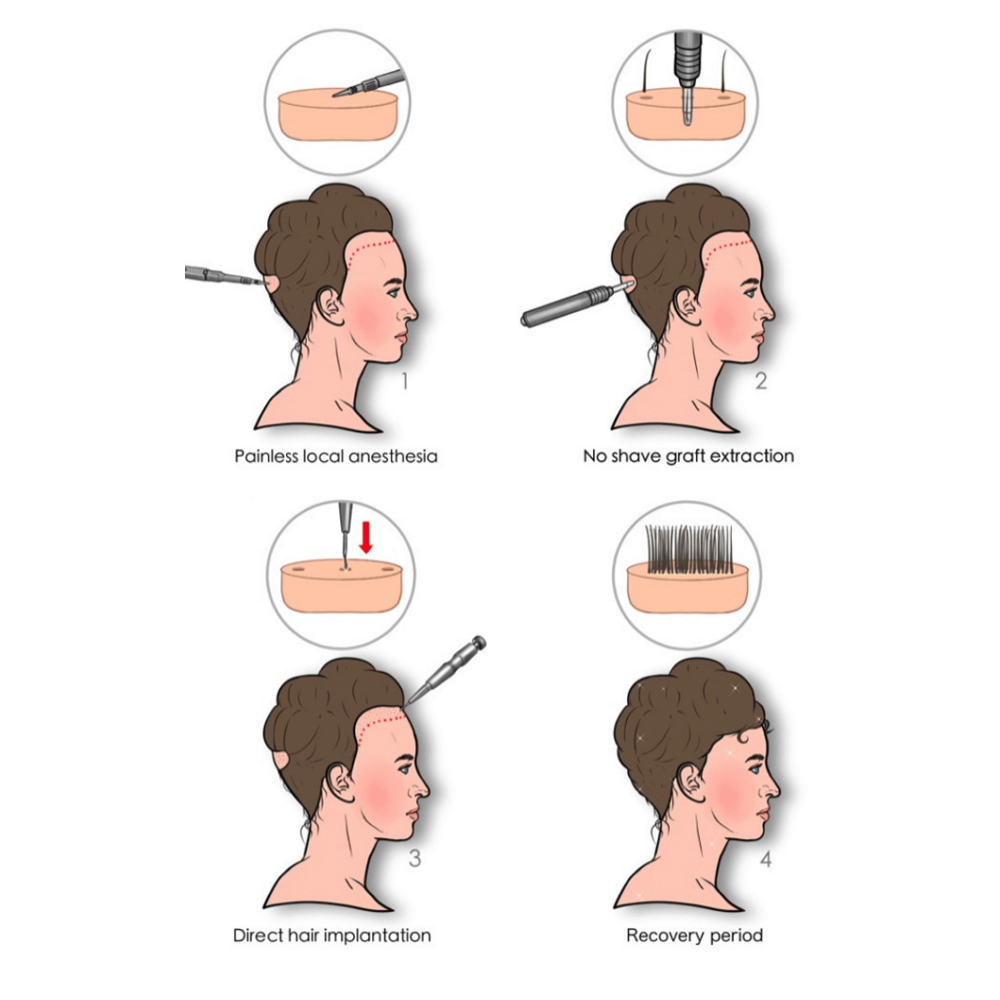
Gentle, Safe, and Painless: Your comfort is paramount. The procedure is performed under local anesthesia with advanced comfort-delivery methods, ensuring a completely relaxed experience.
The Hairluxia Female Hair Journey
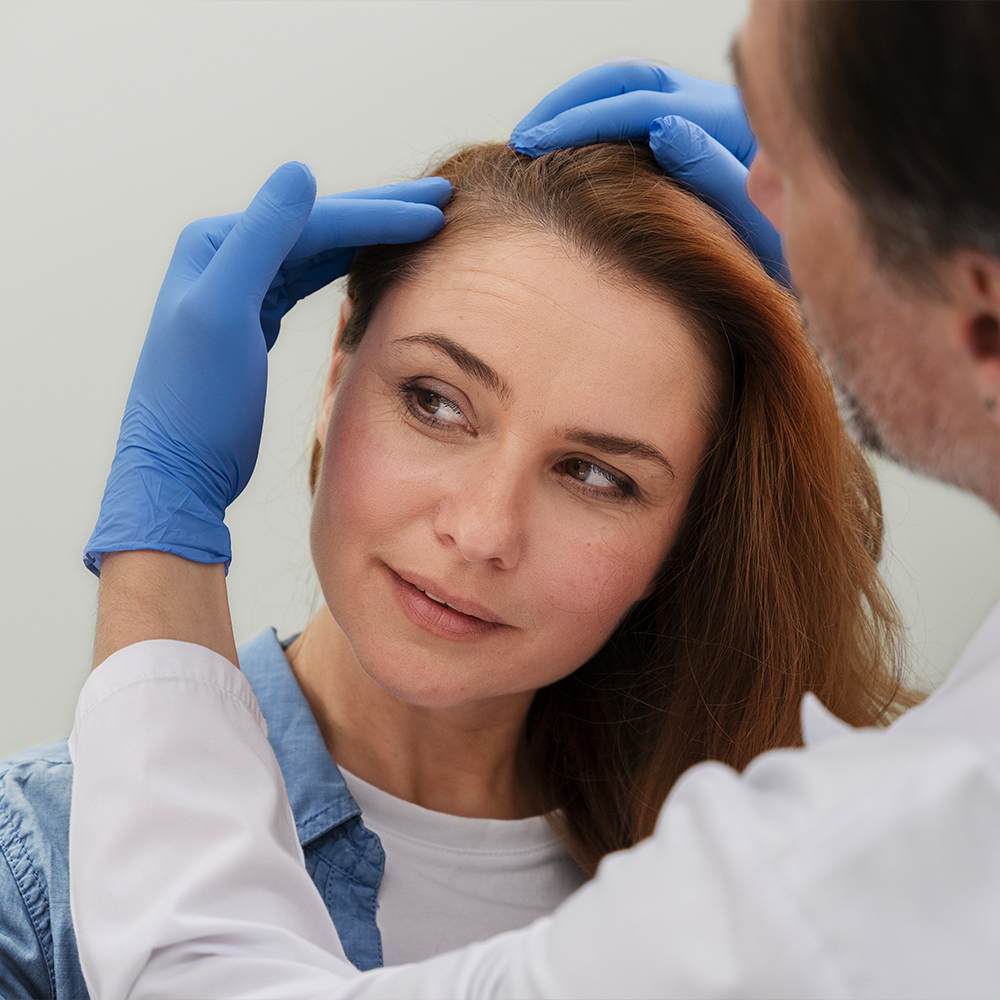
Empathetic Consultation & Tricho-Analysis: We evaluate your specific hair loss pattern (such as the Ludwig Scale) and check your scalp health to customize a plan that ensures the best long-term density.
Comfort-First Anesthesia: Local anesthesia is applied to both the hidden donor area and the thinning zones, keeping the process entirely pain-free.
Meticulous Graft Harvesting: Healthy, strong follicles are carefully extracted one by one from the hidden donor zone at the back of the scalp.
Strategic High-Density Implantation: Utilizing ultra-fine Choi Implanter pens or sapphire blades, our surgeons place the grafts at the exact angle, depth, and direction of your native hair, ensuring a seamless blend.
Post-Operative Care & What to Expect
Days 1–3: Minor scabbing may form at the roots, which is easily hidden if you choose a no-shave procedure. Your initial, gentle hair wash and scalp care are handled by our clinical experts.
Weeks 2–4: The transplanted hairs will go through a normal “shock loss” phase. The healthy roots remain completely safe and active beneath your scalp.
Months 3–6: New, fine hairs begin to grow, steadily adding noticeable volume to your parting and crown.
Month 12: The final transformation is complete. Enjoy thick, beautiful, and permanent hair that you can wash, style, color, and cut with absolute confidence.
Lookıng for answers?
Frequently asked questions
HairLuxia is dedicated to helping you regain your confidence with expert hair transplant services tailored to your needs.
Do I have to shave my head for the surgery?
No, absolutely not. We specialize in Unshaven Hair Transplants (U-FUE/DHI) for women. We only trim a small, long section at the very back of your head, which is easily concealed by your surrounding hair. No one will know you had the procedure done.
How is a female hair transplant different from a male transplant?
Women usually suffer from diffuse thinning rather than complete baldness. This requires a much higher level of precision, as the surgeon must skillfully implant new hair grafts between existing healthy hair strands without damaging them.
Are the results permanent?
Yes. The hair follicles harvested from the back of the scalp are genetically programmed to resist the factors that cause thinning. Once successfully transplanted, they will continue to grow naturally for a lifetime.